 By Othon Jarle
Interior spaces in 2026 are evolving toward comfort-driven aesthetics, adaptable functionality, and environmentally conscious choices. Furniture is no longer selected solely for appearance. Instead, it plays a central role in shaping how people live, work, relax, and interact inside their homes. The latest trends reflect a shift toward personalization, sustainability, and sculptural expression that transforms everyday rooms into thoughtfully curated environments.
This year’s dominant furniture movements combine craftsmanship with innovation. Designers are embracing soft silhouettes, modular flexibility, tactile materials, and statement-making forms that feel both intentional and inviting. Below is a comprehensive guide to the furniture trends shaping interiors across homes, apartments, and multifunctional living spaces in 2026.
Curved Silhouettes Are Replacing Sharp Lines
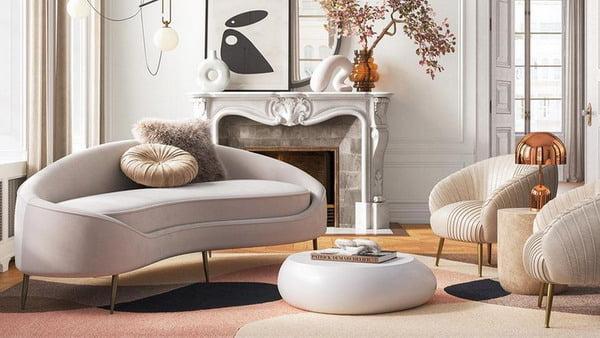
One of the most recognizable furniture directions of 2026 is the rise of curved and organic shapes. Straight-edged minimalism is gradually giving way to softer outlines that create a welcoming atmosphere.
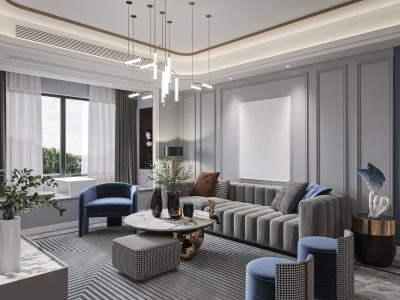
Rounded sofas, oval coffee tables, and arched headboards are appearing across contemporary interiors. These shapes help rooms feel more relaxed while visually improving flow.
Popular curved furniture pieces include:
- Crescent-shaped sofas
- Circular accent tables
- Rounded dining chairs
- Sculptural lounge chairs
- Curved console tables
Curves also work well in smaller homes because they make spaces feel less rigid and more spacious.
Modular Furniture Supports Flexible Living
Modern households demand flexibility. With remote work, hybrid routines, and multi-purpose rooms becoming common, modular furniture is now essential rather than optional.
Modular seating systems, adjustable shelving, and expandable dining tables allow homeowners to redesign spaces without purchasing entirely new furniture.
Examples of modular functionality include:
- Sectional sofas that can be rearranged
- Stackable storage cubes
- Expandable desks
- Adjustable shelving walls
- Convertible guest seating
These adaptable pieces are especially valuable in apartments, shared homes, and compact urban spaces.
Sustainable Materials Are the New Standard
Environmental responsibility continues to influence furniture manufacturing and consumer choices. In 2026, sustainability is no longer a niche preference. It is a mainstream expectation.
Furniture crafted from responsibly sourced materials reflects both style awareness and environmental consciousness.
Common eco-friendly materials include:
- Reclaimed wood
- FSC-certified timber
- Bamboo
- Recycled metals
- Organic fabrics
- Natural stone composites
Beyond materials, durability itself has become part of sustainable design. Long-lasting furniture reduces replacement frequency and supports responsible consumption.
Statement Chairs Are Becoming Focal Points
Accent chairs are evolving into sculptural highlights that anchor entire rooms. Instead of blending quietly into the background, statement chairs now function as design centerpieces.
These pieces often feature bold geometry, unexpected materials, or oversized proportions that attract attention immediately upon entering a space.
Trending chair styles in 2026 include:
- Oversized boucle lounge chairs
- Sculptural wooden frames
- Upholstered barrel chairs
- Low-profile conversation chairs
- Asymmetrical silhouettes
Statement seating works especially well in living rooms, reading corners, and bedroom lounges.
Mixed Materials Add Depth and Texture
Furniture designers are increasingly combining materials to create layered visual interest. Instead of single-material construction, mixed-material pieces now dominate contemporary interiors.
Popular combinations include:
- Wood and metal
- Marble and brass
- Glass and oak
- Upholstery with exposed frames
- Stone tops with matte steel bases
This blending approach helps furniture feel richer and more dimensional while complementing a variety of interior palettes.
Low-Profile Furniture Creates Calm Interiors
Another defining trend shaping 2026 homes is the return of low-profile furniture layouts. Inspired partly by Japanese and Scandinavian influences, these pieces emphasize openness and simplicity.
Low seating arrangements visually expand ceiling height and create a grounded environment that feels calm and intentional.
Typical low-profile furniture selections include:
- Platform beds
- Low lounge sofas
- Floor-level coffee tables
- Minimal storage consoles
- Compact media units
This design approach pairs especially well with neutral palettes and natural textures.
Multifunctional Pieces Are Replacing Single-Purpose Furniture
Furniture in 2026 must serve multiple roles. As homes continue supporting work, leisure, and social interaction simultaneously, multifunctional designs are becoming essential.
Highly practical furniture examples include:
- Storage ottomans doubling as seating
- Foldable desks inside cabinets
- Sofa beds with concealed compartments
- Extendable dining tables
- Wall-mounted workspace shelves
These solutions maximize usability without overcrowding interiors.
Natural Finishes Are Overtaking Gloss Surfaces
High-gloss finishes are gradually being replaced with matte and natural textures that emphasize authenticity.
Furniture surfaces now highlight:
- Raw wood grain
- Hand-finished textures
- Soft matte lacquers
- Stone-like finishes
- Brushed metal accents
These finishes create warmth and contribute to a grounded interior atmosphere that feels timeless rather than trend-driven.
Oversized Storage Furniture Is Returning
Minimalism once favored hidden storage and slim cabinetry. However, 2026 interiors welcome larger storage pieces that serve as visual anchors within rooms.
Examples include:
- Tall open shelving systems
- Statement wardrobes
- Architectural bookcases
- Deep sideboards
- Console storage walls
These pieces combine organization with visual structure, making them both functional and decorative.
Vintage-Inspired Furniture Is Making a Modern Comeback
Retro-inspired silhouettes are being reinterpreted using contemporary materials and colors. Instead of replicating older designs exactly, designers are blending nostalgic influences with modern practicality.
Popular vintage-inspired elements include:
- Mid-century tapered legs
- 1970s curved upholstery
- Art Deco geometry
- Warm walnut finishes
- Ribbed wood paneling
This blend of past and present adds personality without overwhelming a space.
Textured Upholstery Is Dominating Seating Trends
Comfort-driven interiors continue to prioritize tactile experiences. Upholstery choices now influence how furniture looks and feels equally.
Trending upholstery materials include:
- Boucle fabric
- Performance linen
- Velvet blends
- Textured cotton
- Woven neutrals
These fabrics enhance visual softness while improving durability for everyday use.
Sculptural Coffee Tables Are Replacing Traditional Designs
Coffee tables are no longer simple rectangular surfaces placed between seating. Instead, they are becoming artistic expressions that shape the character of a room.
Designers are introducing tables featuring:
- Irregular silhouettes
- Mixed-material bases
- Stone slab tops
- Carved wood structures
- Layered surfaces
These sculptural forms function as conversation starters while maintaining everyday practicality.
Personalized Furniture Choices Reflect Lifestyle Identity
Homes in 2026 are less about copying showroom layouts and more about expressing individuality. Furniture selections increasingly reflect personal routines, hobbies, and priorities.
Examples of personalized design choices include:
- Reading-focused seating zones
- Hybrid workspace furniture
- Wellness-inspired relaxation corners
- Modular entertainment arrangements
- Custom shelving displays
Personalization ensures that interiors feel intentional rather than staged.
Earth-Toned Color Palettes Are Leading Furniture Finishes
Color trends are shifting toward nature-inspired tones that support calm environments. Furniture palettes now emphasize warmth and subtle contrast rather than bold saturation.
Popular shades include:
- Clay
- Moss green
- Sand beige
- Walnut brown
- Terracotta
- Soft charcoal
These tones pair easily with natural finishes and layered textures.
Technology-Integrated Furniture Is Becoming Invisible but Essential
Smart features are increasingly built directly into furniture without disrupting aesthetics. Instead of visible wires and devices, functionality is now discreetly integrated.
Common technology features include:
- Wireless charging tables
- Hidden cable management desks
- Lighting-integrated shelving
- Adjustable ergonomic seating
- Motorized storage panels
These subtle upgrades improve daily convenience while preserving visual simplicity.
FAQ About Furniture Trends Dominating 2026 Interiors
What furniture styles are most popular in 2026 homes
Curved silhouettes, modular layouts, sculptural accent seating, and mixed-material designs are among the most widely adopted styles shaping interiors this year.
Are neutral colors still trending for furniture in 2026
Yes. Earth-toned neutrals such as warm beige, clay, walnut, and moss green remain dominant because they support calm and versatile interiors.
Is sustainable furniture more expensive than traditional furniture
While some eco-conscious pieces may cost more initially, they often last longer and reduce replacement frequency, making them cost-effective over time.
How can small homes benefit from 2026 furniture trends
Modular seating, multifunctional storage, and low-profile furniture help maximize space while maintaining visual openness in compact interiors.
Are vintage-inspired furniture pieces still relevant today
Yes. Modern interpretations of mid-century and retro silhouettes are widely used because they add personality without appearing outdated.
What upholstery fabrics are trending this year
Boucle, textured cotton, performance linen, and velvet blends are among the most popular upholstery choices for both comfort and durability.
How can homeowners update furniture without replacing everything
Adding sculptural accent chairs, upgrading coffee tables, introducing textured upholstery, or switching to modular storage units can refresh interiors effectively without full replacement
Hope this helps you craft a strong, modern interior trend article. Let me know if you’d like a companion piece on color trends or lighting trends for 2026 as well. ✨