 By Othon Jarle
Have you ever noticed how some homes seem to age gracefully while others begin to look worn within just a few years? The difference often comes down to environmental exposure and the materials used in construction. A home’s exterior constantly faces the elements, and over time, factors like sunlight, moisture, and material quality can significantly affect its appearance and durability.
Understanding these factors can help homeowners maintain their property and prevent premature ageing.
Sun Exposure and UV Damage
One of the biggest contributors to exterior wear is prolonged sun exposure. Ultraviolet rays break down materials over time, causing fading, cracking, and weakening.
Siding is particularly vulnerable. Vinyl siding may lose its colour, while painted surfaces can peel or blister. Roofing edges also take a direct hit from the sun, leading to brittle shingles and reduced lifespan.
Homes that face direct sunlight for most of the day often show uneven ageing, with certain sides appearing more faded or worn than others.
Moisture Retention and Its Effects
Moisture is another major factor in how a home ages. Rain, humidity, and even condensation can lead to long-term damage if not properly managed.
Common issues caused by moisture include:
- Mould and mildew growth on siding
- Rotting wood trim and fascia boards
- Warping or swelling of materials
- Water stains and discolouration
Areas that do not receive enough sunlight to dry out, such as shaded walls or roof valleys, are especially prone to moisture-related damage.
Proper drainage, ventilation, and sealing play a crucial role in protecting these areas.
Material Quality and Installation Standards
Not all materials perform the same way over time. Higher-quality materials are designed to withstand environmental stress, while lower-grade options may deteriorate more quickly.
For example:
- Durable fibre cement siding resists moisture better than untreated wood
- High-quality roofing materials maintain their structure under temperature changes
- Well-installed trim and flashing prevent water intrusion
Even the best materials, however, can fail if installation is not done correctly. Gaps, poor sealing, and improper alignment can accelerate wear and lead to costly repairs.
Wear Patterns on Siding, Roofing, and Trim
Exterior ageing often follows predictable patterns. By recognising these signs, homeowners can address issues early.
Typical wear patterns include:
- Siding: Fading, cracking, or staining on sun-exposed walls
- Roofing edges: Curling shingles or granule loss near gutters
- Trim: Peeling paint and soft spots due to moisture exposure
Regular inspections can help identify these problems before they become more serious.
Why Exterior Knowledge Matters for Installations
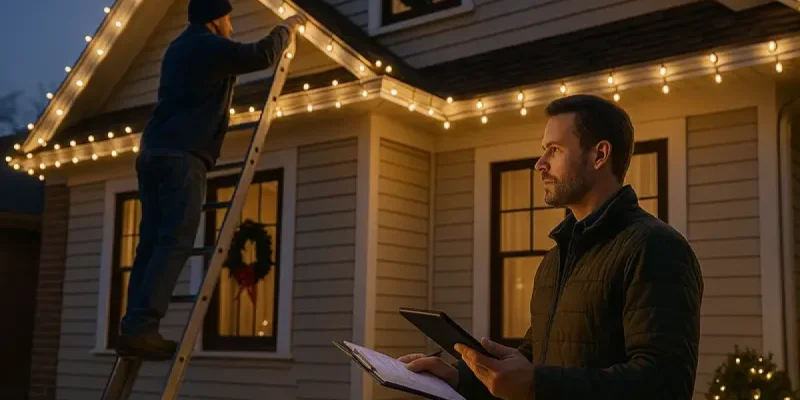
Many homeowners do not realise that even seasonal installations can impact the condition of their home’s exterior. For example, installing decorative lighting requires careful handling of roofing, gutters, and trim.
Professionals offering Fishers Christmas light installation services understand how different materials react to pressure, weight, and fastening methods. They adjust their techniques based on roof type and condition to avoid damage.
Improper installation, on the other hand, can lead to loosened shingles, cracked trim, or water entry points. This highlights the importance of working with experienced installers who consider the long-term health of your home.
Conclusion
The way a home ages is influenced by a combination of environmental factors and material quality. Sun exposure, moisture retention, and installation standards all play a role in determining how well an exterior holds up over time.
By understanding these elements and maintaining your home regularly, you can extend its lifespan and preserve its appearance. Whether performing routine maintenance or installing seasonal features, taking a careful and informed approach ensures your home remains strong, safe, and visually appealing for years to come.