 By Othon Jarle
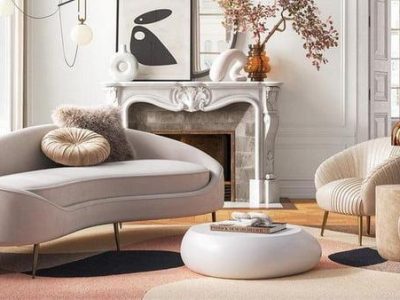
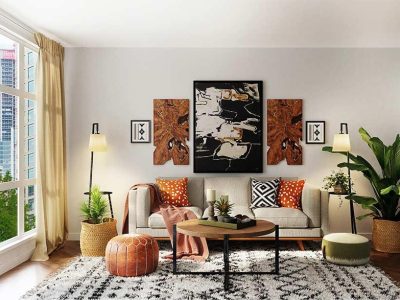
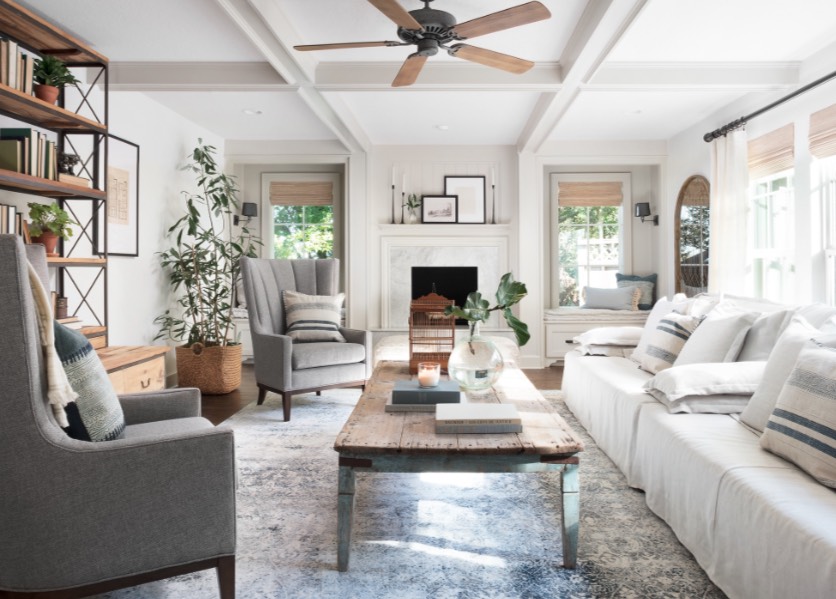
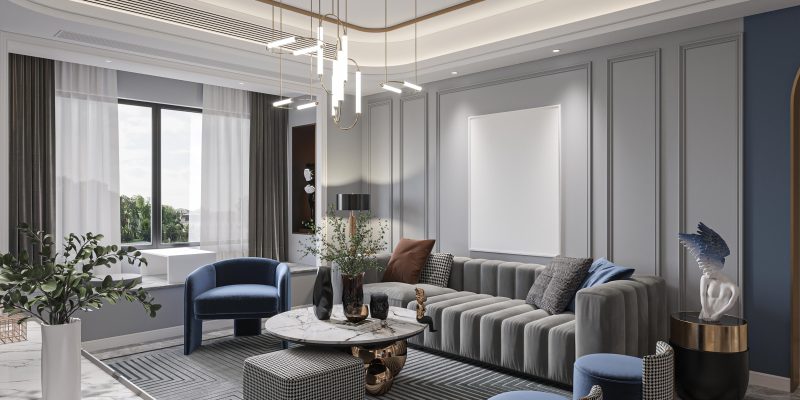
Luxury interiors rarely depend on expensive furniture alone. Instead, they rely on thoughtful layering of materials that create visual richness and tactile depth. One of the most effective ways to elevate any space is through mixing textures strategically. Whether working with a small apartment or a spacious home, texture layering transforms ordinary rooms into sophisticated environments that feel intentional and refined.
Texture affects how a space looks, feels, and functions. It influences light reflection, visual contrast, and emotional comfort. When done correctly, combining textures creates balance, warmth, and dimension without overwhelming the room.
This guide explains how texture layering works and how to apply it effectively to achieve interiors that feel polished, cohesive, and luxurious.
Understanding the Role of Texture in Interior Design
Texture refers to the surface quality of materials and how they interact with light and touch. Some textures absorb light, while others reflect it. Combining both types produces visual contrast that enhances depth within a room.
There are two primary categories of texture used in interiors:
Visual texture
This refers to how a surface appears to feel, even if it is smooth to the touch. Examples include patterned wallpaper, marble veining, or woven textiles.
Tactile texture
This refers to how a material physically feels, such as velvet upholstery, rough stone finishes, or brushed wood surfaces.
Luxury interiors rely on combining both types thoughtfully rather than using one texture repeatedly.
Why Mixing Textures Instantly Elevates a Space
Layered textures make interiors feel curated instead of flat. Rooms that rely on a single finish often appear incomplete or overly minimal.
Texture mixing enhances interiors by:
- Creating depth without adding clutter
- Making neutral color palettes feel dynamic
- Highlighting architectural features
- Improving visual balance
- Enhancing comfort through tactile contrast
Even modest spaces can feel upscale when texture combinations are intentional.
Start with a Strong Base Texture
Every room benefits from a foundation texture that anchors the design. This base often comes from large surfaces such as flooring, rugs, walls, or major furniture pieces.
Common base textures include:
- Natural wood flooring
- Large woven area rugs
- Matte painted walls
- Stone tile surfaces
- Upholstered sofas
Once a base layer is established, additional textures can build around it naturally.
Combine Soft and Hard Materials for Contrast
Luxury interiors depend on balance. Spaces dominated entirely by soft materials may feel too casual, while rooms filled only with hard surfaces may feel cold.
The key is combining both categories intentionally.
Examples of effective combinations include:
- Velvet seating with marble tables
- Linen curtains with metal lighting fixtures
- Leather chairs with wood shelving
- Wool rugs with glass accents
- Stone countertops with upholstered stools
This contrast introduces depth while maintaining harmony.
Layer Textiles to Add Warmth and Comfort
Textiles are one of the easiest ways to introduce texture without major renovations. They soften rooms visually and physically.
Effective textile layering includes:
- Area rugs over hardwood floors
- Throw blankets on sofas
- Decorative cushions with varied fabrics
- Upholstered headboards in bedrooms
- Fabric window treatments
Using multiple textile finishes such as linen, boucle, cotton, and velvet enhances sophistication.
Use Natural Materials to Create Authentic Luxury
Natural materials bring subtle irregularities that make interiors feel organic rather than manufactured. These imperfections contribute to timeless elegance.
Popular natural textures include:
- Oak wood
- Walnut finishes
- Marble surfaces
- Travertine accents
- Rattan furniture
- Clay ceramics
Combining two or three natural materials in one space creates a balanced and grounded environment.
Introduce Metallic Accents for Reflective Contrast
Metal finishes add brightness and structure to interiors dominated by soft textures. Even small metallic details can elevate the entire room.
Common metallic additions include:
- Brass lighting fixtures
- Chrome table legs
- Bronze cabinet handles
- Gold-framed mirrors
- Brushed nickel accessories
Using metals sparingly ensures they enhance rather than overwhelm the space.
Balance Matte and Gloss Finishes Carefully
Luxury interiors rarely rely on only one surface finish. Mixing matte and reflective materials improves visual interest while controlling light distribution.
Examples of matte surfaces include:
- Painted cabinetry
- Linen upholstery
- Wood furniture
- Stone tiles
Examples of glossy finishes include:
- Glass tables
- Polished marble
- Lacquered cabinets
- Ceramic decor pieces
Combining both creates a layered and intentional appearance.
Add Architectural Texture to Walls
Walls offer one of the most overlooked opportunities for introducing texture. Instead of leaving them completely flat, subtle treatments can dramatically improve the look of a room.
Popular wall texture options include:
- Wood paneling
- Limewash finishes
- Textured wallpaper
- Fabric wall coverings
- Decorative molding
These features create depth even when using neutral color palettes.
Use Rugs Strategically to Anchor Texture Layers
Rugs play a central role in texture layering because they connect furniture pieces visually while adding softness underfoot.
Luxury interiors often combine multiple rug characteristics such as:
- Flatweave foundations with plush accents
- Neutral bases with subtle patterns
- Natural fibers layered with wool blends
- Oversized rugs extending beneath seating zones
Choosing the right rug improves cohesion across the entire space.
Mix Upholstery Fabrics for Dimension
Using identical upholstery across all furniture pieces can make interiors appear predictable. Mixing fabrics introduces subtle complexity that feels professionally styled.
Effective combinations include:
- Velvet sofas with linen chairs
- Leather armchairs with cotton cushions
- Boucle accent seating with woven benches
- Suede ottomans with structured upholstery
This layered approach creates visual rhythm throughout the room.
Incorporate Stone and Wood Together
Combining stone and wood is one of the most reliable ways to create a refined atmosphere. These materials complement each other naturally while adding contrast.
Examples include:
- Wood dining tables with marble centerpieces
- Stone coffee tables with oak shelving
- Travertine decor paired with walnut cabinets
- Granite counters balanced by warm wood flooring
The contrast between smooth stone and organic wood produces timeless elegance.
Add Texture Through Lighting Elements
Lighting fixtures are often treated as purely functional objects, but they can contribute significantly to texture layering.
Textured lighting materials include:
- Fabric lampshades
- Ribbed glass pendants
- Metal chandeliers
- Ceramic table lamps
- Woven rattan fixtures
Selecting lighting that introduces texture enhances the visual complexity of a room without occupying extra floor space.
Keep the Color Palette Cohesive While Mixing Textures
Texture layering works best when colors remain consistent. Too many competing shades can distract from the materials themselves.
Effective luxury palettes often include:
- Warm neutrals
- Soft earth tones
- Muted greens
- Deep browns
- Cream variations
When colors remain controlled, textures become the primary source of visual interest.
Avoid Overloading the Room with Competing Surfaces
While mixing textures improves interiors, excessive layering can create visual clutter. The goal is contrast with balance, not contrast without structure.
To maintain harmony:
- Limit dominant materials to three or four per room
- Repeat textures in multiple locations
- Use accent textures sparingly
- Maintain consistent undertones across finishes
Careful editing keeps interiors elegant rather than overwhelming.
Layer Decorative Accessories Thoughtfully
Accessories complete the texture story inside a space. Small decorative objects can reinforce larger material choices already present.
Examples include:
- Ceramic vases on wood consoles
- Woven baskets beside upholstered seating
- Stone trays on coffee tables
- Glass decor on shelving units
- Metal sculptures on sideboards
These finishing touches create cohesion across the room.
Combine Modern and Traditional Textures for Timeless Appeal
Luxury interiors rarely rely on a single style direction. Blending contemporary finishes with traditional textures produces spaces that feel layered and lived-in.
Examples include:
- Classic wood furniture with modern metal lighting
- Traditional rugs paired with minimalist sofas
- Antique decor placed on contemporary shelving
- Handmade ceramics displayed on sleek consoles
This approach ensures interiors remain relevant over time rather than tied to one trend.
FAQ About Mixing Textures in Luxury Interior Design
How many textures should be used in one room for a balanced look
Most well-designed interiors include three to five complementary textures. This creates depth without making the space feel busy.
Can texture mixing work in small rooms
Yes. Even compact spaces benefit from layered textiles, mixed finishes, and varied surfaces because they create dimension without requiring extra square footage.
Should flooring texture match furniture texture
Flooring does not need to match furniture exactly. Instead, it should complement major furniture finishes to maintain harmony across the room.
Are textured walls better than plain painted walls
Textured walls can add sophistication and depth, especially when used selectively as feature surfaces rather than throughout the entire room.
Is mixing warm and cool textures acceptable
Yes. Combining warm materials like wood with cooler surfaces such as stone or metal often produces balanced and visually engaging interiors.
Do glossy finishes always make a room look more luxurious
Not necessarily. Luxury interiors depend on contrast. Glossy finishes work best when paired with matte textures instead of dominating the entire space.
Can renters use texture layering without permanent changes
Yes. Rugs, cushions, throws, lighting fixtures, and decorative accessories allow renters to introduce texture without altering walls or flooring
If you would like a companion guide on layering colors alongside textures for even stronger luxury impact, I can prepare that next. ✨