 By Othon Jarle
Furniture trends in 2026 reflect a strong shift toward comfort, flexibility, sustainability, and visual warmth. Homeowners are moving away from overly minimal and impersonal interiors and instead choosing pieces that support daily routines while expressing individuality. Modern furniture now balances style with functionality, blending timeless materials and adaptable forms.
Whether you are refreshing a single room or planning a full interior update, understanding the dominant furniture trends of 2026 can help you create a space that feels current without becoming quickly outdated. The following trends highlight what designers and homeowners across the United States are prioritizing this year.
Curved Furniture Shapes Continue to Rise
One of the most noticeable furniture trends in 2026 is the continued popularity of curved silhouettes. Rounded edges soften interior spaces and create a more welcoming atmosphere.
Common curved furniture pieces include:
- Sofas with rounded backs
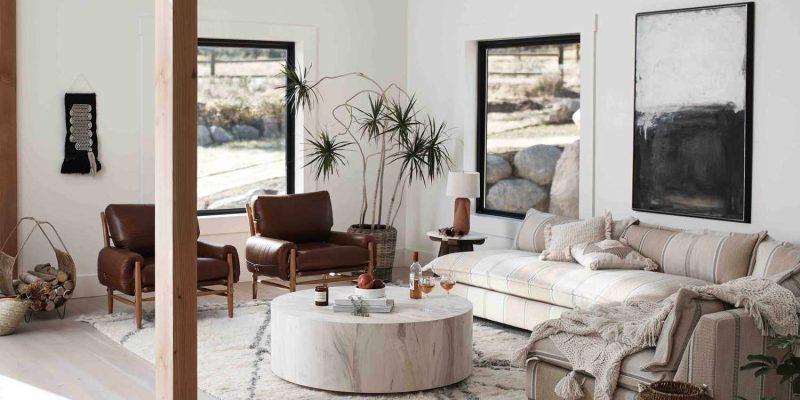
- Circular coffee tables
- Oval dining tables
- Barrel chairs
- Arched shelving units
These shapes reduce visual rigidity and make rooms feel more relaxed. Curved furniture also improves movement flow by eliminating sharp corners in high-traffic areas.
Warm Wood Finishes Replace Cool Tones
Furniture in cooler gray finishes is gradually being replaced by warmer wood tones. These materials introduce depth and authenticity into interiors.
Popular wood finishes include:
- Walnut
- White oak
- Maple
- Medium-tone cherry
Warm wood pieces help create environments that feel grounded and comfortable while pairing easily with neutral color palettes.
Modular Furniture Supports Flexible Living
Modern homes increasingly require furniture that adapts to changing needs. Modular pieces allow homeowners to rearrange layouts without replacing entire furniture sets.
Examples of modular furniture include:
- Sectional seating with movable components
- Expandable dining tables
- Stackable storage units
- Convertible shelving systems
These pieces provide flexibility for households that frequently host guests or adjust layouts for work-from-home needs.
Sustainable Materials Lead Design Decisions
Environmental awareness continues to shape furniture manufacturing choices. Many homeowners now prioritize sustainable materials when selecting new pieces.
Common sustainable furniture materials include:
- Reclaimed wood
- Bamboo
- Recycled metal
- Natural fiber upholstery
These options reduce environmental impact while adding texture and character to interiors.
Statement Accent Chairs Add Personality
Accent chairs are becoming focal points rather than supporting elements. Designers are using them to introduce contrast and individuality into rooms.
Popular accent chair features include:
- Bold upholstery colors
- Sculptural silhouettes
- Textured fabrics
- Mixed-material frames
Statement chairs allow homeowners to experiment with design trends without committing to large furniture changes.
Mixed Materials Create Visual Depth
Furniture that combines multiple materials is dominating 2026 interiors. Mixing surfaces prevents rooms from feeling flat or overly coordinated.
Common material combinations include:
- Wood with metal
- Stone with glass
- Upholstery with cane
- Marble with brass
These combinations introduce visual complexity while maintaining balance.
Low-Profile Furniture Enhances Modern Interiors
Low-profile furniture continues to shape contemporary spaces. These pieces create a grounded look that improves visual openness.
Popular low-profile furniture includes:
- Platform sofas
- Low coffee tables
- Minimalist bed frames
- Floating media consoles
Lower furniture heights help rooms feel larger and more relaxed.
Textured Upholstery Gains Attention
Texture is becoming just as important as color in furniture design. Rich tactile surfaces enhance comfort and visual interest.
Popular upholstery textures include:
- Boucle fabric
- Linen blends
- Soft velvet
- Performance woven fabrics
Layering textured upholstery with neutral palettes creates depth without overwhelming the room.
Multifunctional Furniture Remains Essential
Furniture that performs multiple roles continues to dominate interior planning decisions.
Examples include:
- Storage ottomans
- Lift-top coffee tables
- Sleeper sofas
- Extendable desks
These pieces support efficient use of space, especially in smaller homes and apartments.
Dining Tables Become Social Anchors Again
Dining tables are returning as central gathering points in homes. Rather than being used only for meals, they now support multiple activities.
Modern dining tables often serve as:
- Work surfaces
- Homework stations
- Craft areas
- Meeting points for family discussions
Larger table surfaces and durable finishes support these expanded roles.
Earth-Toned Upholstery Creates Warm Interiors
Neutral furniture colors remain popular, but their tone is shifting toward warmer earth-inspired palettes.
Trending upholstery colors include:
- Clay
- Olive
- Sand
- Warm taupe
- Rust
These colors complement natural materials and create relaxed environments.
Cane and Woven Details Return to Furniture Design
Natural woven elements are appearing across multiple furniture categories. Cane panels and woven textures add subtle craftsmanship details.
Common applications include:
- Cabinet door inserts
- Headboard accents
- Dining chair backs
- Sideboard panels
These details introduce lightness and texture into interiors.
Oversized Seating Improves Everyday Comfort
Comfort-driven furniture is becoming more prominent in 2026 interiors. Oversized seating supports relaxation without sacrificing style.
Popular oversized seating options include:
- Deep sofas
- Wide lounge chairs
- Extended chaise sections
- Plush sectional configurations
These pieces encourage longer use and improve daily comfort.
Floating Furniture Improves Visual Flow
Floating furniture refers to pieces that appear lifted off the floor or mounted to walls.
Examples include:
- Floating vanities
- Wall-mounted shelving
- Suspended media consoles
This approach enhances visual openness and simplifies cleaning access.
Dark Wood Finishes Make a Strong Comeback
While lighter woods remain popular, darker finishes are returning as statement elements in furniture design.
Common dark wood uses include:
- Dining tables
- Console tables
- Accent cabinets
- Bed frames
These finishes add contrast and sophistication when balanced with lighter surroundings.
Personalized Furniture Choices Replace Matching Sets
Matching furniture sets are becoming less common. Homeowners now prefer curated combinations that feel more authentic.
Popular personalization strategies include:
- Mixing wood tones
- Combining vintage and modern pieces
- Selecting unique upholstery fabrics
- Incorporating handcrafted furniture
This approach creates interiors that reflect individual preferences rather than showroom styling.
Compact Furniture Supports Urban Living
As living spaces become more flexible, compact furniture solutions are gaining importance.
Examples include:
- Slim-profile sofas
- Foldable dining tables
- Nesting side tables
- Vertical storage cabinets
These pieces maximize usability without overcrowding rooms.
Soft Neutral Palettes Remain a Foundation Trend
Soft neutral furniture continues to anchor interior design choices in 2026. These tones provide versatility while supporting layered textures.
Popular neutral shades include:
- Cream
- Warm gray
- Beige
- Sand tones
Neutral foundations allow accent pieces to stand out more effectively.
Sculptural Furniture Becomes Functional Art
Furniture is increasingly being treated as both functional and artistic. Sculptural pieces add personality without requiring additional decor.
Examples include:
- Curved coffee tables
- Asymmetrical shelving
- Statement lighting-integrated furniture
- Artistic console tables
These pieces help interiors feel distinctive and thoughtfully designed.
FAQs About Furniture Trends That Are Dominating 2026 Interiors
Are curved furniture styles suitable for small spaces
Yes. Curved furniture can improve movement flow and reduce visual clutter in smaller rooms when selected in appropriate sizes.
Is modular furniture a long-term investment option
Modular furniture offers flexibility that allows homeowners to adapt layouts over time, making it a practical long-term solution.
Do sustainable furniture materials cost more than traditional options
Some sustainable materials may have higher upfront costs, but they often provide durability and environmental benefits that justify the investment.
Can dark wood furniture work in modern interiors
Yes. Dark wood pieces add contrast and depth when paired with lighter walls and upholstery.
Are matching furniture sets completely outdated
Matching sets are less common today, but they can still work well when balanced with varied textures and accent pieces.
What upholstery textures are most popular in 2026
Boucle, linen blends, and performance woven fabrics are among the most widely used upholstery textures this year.
How can homeowners combine multiple furniture trends without overwhelming a space
Focusing on a consistent color palette and mixing only a few complementary materials helps maintain visual balance while incorporating current trends.