 By Othon Jarle
A home renovation is a journey of transformation, a process that promises enhanced aesthetics, improved functionality, and increased property value. While the focus often falls on cabinetry, paint colors, and flooring, the most critical element of any major remodel—the electrical system—is often overlooked until the last minute. The electrical work in a renovation is not a simple cosmetic update; it is the vital infrastructure that ensures safety, supports modern demands, and determines the long-term functionality of your new space. Choosing the right “electrician near me” for a home renovation is not merely about finding a licensed professional; it’s about securing a specialized expert who can translate your architectural vision into a safe, code-compliant, and future-proof reality.
The complexity of renovation wiring is significantly higher than that of new construction. Renovation electricians must be skilled at seamlessly integrating new wiring, circuits, and components with existing, sometimes outdated, systems. This requires precision, diagnostic expertise, and a deep understanding of local building codes. A mistake in this area can lead to tripped breakers, inadequate power supply for modern appliances, or, worst of all, fire hazards. Therefore, the selection process must be rigorous, focusing on specific qualities that set a renovation specialist apart from a general electrician.
Specialization in Renovation Work
A dedicated renovation electrician brings a specific skill set that a general service electrician may lack. Their expertise lies in the nuanced challenges of retrofitting old homes.
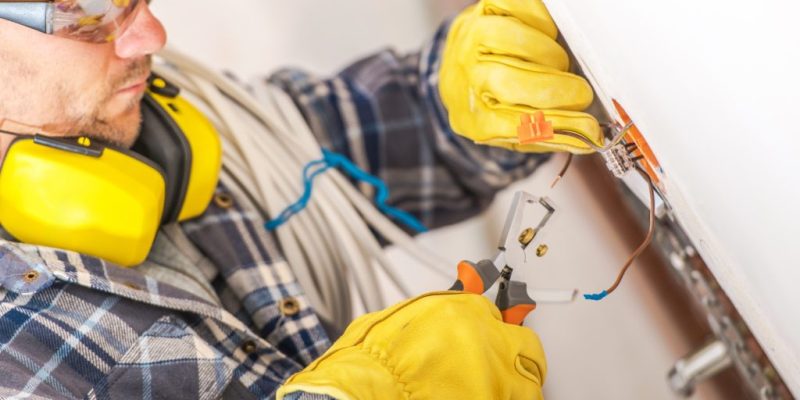
Look for a professional who demonstrates diagnostic and integration skills. They must be able to assess the existing electrical panel’s capacity, identify outdated aluminum or knob-and-tube wiring, and determine the most efficient and safest way to connect the new wiring to the old. They should be fluent in modern demands, understanding the power needs of dedicated kitchen circuits (for induction cooktops, high-powered appliances), dedicated home office circuits, and smart home technology integration. Ask about their experience in kitchen and bathroom remodels—these rooms have the strictest codes regarding GFCI (Ground-Fault Circuit Interrupter) and lighting, making them complex to wire correctly.
A renovation expert will also be proficient in non-destructive wiring techniques, minimizing the damage to walls, ceilings, and finished surfaces during the installation of new lines. They should have a strategy for running wires that avoids unnecessary patching and repainting work for your general contractor.
Communication, Planning, and Project Management
Electrical work in a renovation is a highly integrated process; it affects drywall, plumbing, and cabinetry. The best electrician is also an excellent planner and communicator.
The electrician should be willing to spend time upfront understanding your vision and future needs. This goes beyond just locating switches; it includes planning for adequate lighting layers (ambient, task, and accent), future electric vehicle charging, or home automation systems. Ask for a detailed written estimate that itemizes labor, materials, and a clear timeline for rough-in and trim-out phases. A detailed quote signals professionalism and helps prevent budget surprises. Furthermore, they must be committed to coordination with your general contractor and other tradespeople. Delays in electrical rough-in can derail the entire construction schedule. A good electrician works efficiently within the overall project timeline and communicates any necessary changes or conflicts immediately.
Safety and Code Compliance
Safety should be the primary concern overriding all others. Your chosen electrician must demonstrate an unyielding commitment to current National Electrical Code (NEC) and local code compliance.
Ask the electrician how they stay current with code changes, as these are updated frequently. For an older home, the electrician should prioritize identifying and mitigating any legacy safety hazards they encounter, such as ungrounded outlets or old panels. Their work should not just be functional; it must be demonstrably safe and pass the final inspection without issues. This adherence to code is the only guarantee that your renovation is safe from fire and electrical shock hazards. Their commitment to safety reflects their professional integrity and their dedication to the longevity of your home.
Conclusion: Investing in the Home’s Heartbeat
Choosing an electrician for a home renovation is perhaps the most important decision that homeowners often delegate too casually. The electrical system is the unseen heartbeat of your remodeled space. By seeking an electrician with specialized renovation experience, meticulous credentials, transparent communication, and an unwavering commitment to safety codes, you are investing in more than just wiring—you are securing the efficiency, safety, and long-term value of your entire home. Take the time to vet thoroughly, and you will ensure that your renovation vision is powered correctly, safely, and for decades to come.