 By Othon Jarle
Slate roofing has long been a hallmark of architectural elegance, durability, and historic value. Known for its natural aesthetic and lifespan that can extend beyond a century, slate remains one of the most premium roofing options available. However, even the most resilient materials require attention and maintenance over time. When problems arise, timely slate roof repair becomes essential to preserve the integrity and appearance of the structure. Knowing how to recognize issues and understanding the repair process can make a significant difference in long-term performance.
Understanding the Importance of Timely Repairs
Unlike modern roofing materials, slate has unique qualities that require a specific approach when addressing damage. One of the most significant mistakes homeowners make is neglecting minor cracks or slipped tiles until they result in visible leaks or interior damage. Once water penetrates the roof system, it can compromise underlayment, cause mold, and even rot structural components. This makes early detection and swift slate roof repair a practical investment rather than an unnecessary cost.
The age of a slate roof can also be misleading. Some older homes have slate that’s still in excellent condition, while others may be due for significant work depending on the type of slate originally installed. Soft slate tends to wear out sooner, while harder varieties like Vermont or Buckingham slate can remain solid for well over 100 years. Regular inspections help determine the state of the material and prevent major failures before they escalate.
Even in areas where weather is relatively stable, environmental exposure, shifting seasons, and freeze-thaw cycles can stress the slate tiles over time. Thermal expansion may loosen nails or cause subtle hairline fractures. Birds, falling limbs, and even inexperienced foot traffic can also damage the roof surface. Once a slate is cracked, it’s no longer weatherproof, and if ignored, one broken tile can turn into multiple weak points that affect the overall system.
The Process Behind a Professional Slate Roof Repair
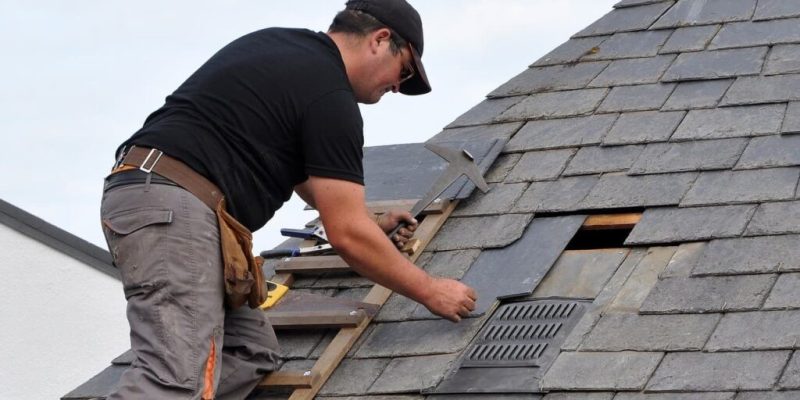
Repairing a slate roof is not a task for the untrained. It requires specialized skills, tools, and often, a deep understanding of historical construction methods. Unlike asphalt shingles, slate cannot be simply nailed over or glued in place. A professional will use a slate ripper to remove the damaged tile without disturbing the surrounding ones, followed by carefully sliding in a replacement secured with a hook or nail-and-copper bib method to avoid future leaks.
Matching replacement slates is another part of the process that requires care. A consistent color and thickness are important not only for visual uniformity but also for functional performance. Reputable contractors often source salvaged slate from dismantled buildings or quarries with similar geological characteristics to ensure the repair blends seamlessly with the existing roof.
The flashing system plays a crucial role as well. Slate roofs often feature copper or lead flashing that should be evaluated during the repair. Even if the tiles are intact, failing flashing can lead to leaks around chimneys, valleys, or dormers. During a proper repair, professionals inspect and, if needed, replace the flashing to ensure complete water resistance.
Gutter maintenance should not be overlooked during the slate roof repair process. A buildup of debris or poor drainage can force water under the tiles, eventually damaging both slate and the wooden deck below. Coordinating roof and gutter service together ensures that water is properly diverted from vulnerable points on the roof structure.
Costs and Considerations That Impact Repairs
One reason some homeowners hesitate to invest in slate roof repair is the perception of high cost. While it’s true that labor is more expensive due to the craftsmanship involved, the value provided is substantial. A repaired slate roof can continue to protect a home for decades, unlike cheaper materials that may require replacement every 20-30 years.
The cost depends on several factors: the number of damaged tiles, the type and availability of slate, the pitch of the roof, and accessibility. Steeper roofs or those with multiple dormers and valleys take more time to navigate and repair, which can influence pricing. Additionally, historic homes may require extra care or adherence to preservation standards, further affecting the scope of the work.
Hiring an experienced slate roofing contractor rather than a general roofer is critical. Inexperienced roofers might use tar or incorrect materials that temporarily cover up the issue but ultimately worsen the condition. A qualified slate roof professional will provide a transparent estimate, outline their process, and share examples of similar work.
Homeowners can extend the life of their slate roof by scheduling routine inspections every few years, especially after extreme weather events. Small repairs made proactively often cost significantly less than a full roof restoration later on. This foresight not only maintains the roof’s functionality but also protects the home’s resale value and curb appeal.
When Repairs Aren’t Enough: Knowing When to Replace Sections
Not all slate roofs can be saved indefinitely. There comes a point when individual slate roof repair efforts no longer provide lasting results, particularly when the majority of the tiles are brittle or frequently breaking. A roof experiencing ongoing deterioration may be a candidate for partial or full replacement, especially if the original material is a softer, less durable slate.
A full replacement doesn’t always mean removing every tile. Skilled contractors can identify the healthiest sections and preserve them, replacing only the failing portions with matching materials. This approach respects the original craftsmanship while adapting the roof to meet current safety and durability standards.
During replacement discussions, underlayment materials may also be upgraded to improve energy efficiency and moisture resistance. While slate remains the centerpiece, modern waterproof membranes and synthetic options underneath help enhance performance. This can offer peace of mind while retaining the historical appearance and value of the property.
In older homes, insurance companies may require inspection certifications or even suggest roof improvements as part of their policy conditions. Being proactive about slate roof repair or replacement puts homeowners in a stronger position when negotiating coverage or responding to unforeseen events such as storm damage.