
 By Othon Jarle
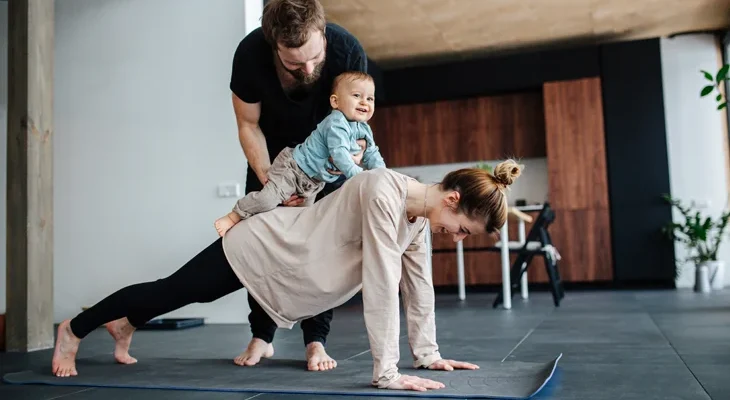
In today’s fast-paced world, families in Singapore often struggle to find time to connect meaningfully. Between school schedules, office commitments, and household responsibilities, quality bonding moments can sometimes feel scarce. One activity that is gaining attention for its ability to support both health and relationships is family yoga. Practising together not only improves fitness but also strengthens emotional bonds, teaching children and adults alike the values of patience, mindfulness, and balance. With the rise of yoga Singapore, more households are discovering that yoga is not just an individual pursuit, but also a shared journey that enriches family life.
Why Family Yoga Matters
Family yoga offers more than exercise. It creates shared experiences that build unity while encouraging healthy habits across all generations. Practising yoga as a family can:
- Improve communication through teamwork in partner poses.
- Reduce stress for both parents and children.
- Foster responsibility as children mirror healthy routines.
- Strengthen intergenerational relationships by including seniors.
In Singapore’s urban environment, where families often spend long hours indoors, yoga becomes a refreshing activity that enhances both body and mind.
Setting Up a Family-Friendly Space at Home
Creating a home environment that welcomes family yoga is key to making it a regular practice. While not every household has a spare room, a small corner in the living room or bedroom can serve as a dedicated practice space.
- Use mats of different sizes to accommodate children and adults.
- Keep props such as blocks, straps, or cushions for flexibility in poses.
- Choose calming décor and lighting to make the space inviting.
- Establish ground rules for respect, focus, and fun during sessions.
When everyone has their own defined spot, practice becomes more structured and enjoyable.
Yoga for Children: Building Healthy Foundations
Children in Singapore face high academic pressure, which can lead to stress and restlessness. Yoga helps channel their energy positively. Simple poses such as Tree Pose or Cat-Cow allow them to explore balance and movement while improving focus. Benefits for children include:
- Enhanced concentration for studies.
- Better emotional regulation during challenging situations.
- Development of motor skills and flexibility.
- Increased self-confidence through mastering poses.
By starting young, children develop habits that last into adulthood.
Yoga for Parents: Managing Stress and Energy
Parents often juggle multiple responsibilities, and fatigue is common. Family yoga provides an opportunity to recharge while bonding with children. Parents benefit from:
- Stress relief through mindful breathing exercises.
- Improved posture and reduced back pain caused by long office hours.
- Shared experiences that create lasting memories.
For working adults, family yoga is both a form of exercise and a chance to reconnect with loved ones in a meaningful way.
Yoga for Seniors: Gentle Movement and Connection
Elderly family members often face mobility challenges, but yoga can be safely adapted for them. Simple seated stretches, breathing practices, and restorative poses help seniors maintain flexibility and balance. Including grandparents in family yoga offers:
- Improved joint mobility and reduced stiffness.
- Social inclusion that combats loneliness.
- Gentle routines that support heart and lung health.
This intergenerational approach brings families closer, creating harmony at home.
Making Family Yoga Fun and Engaging
Children are more likely to stay engaged when yoga feels playful rather than rigid. Families can make sessions more exciting by:
- Turning poses into games, such as “who can hold the Tree Pose the longest.”
- Incorporating storytelling with animal-inspired poses like Cobra or Lion’s Breath.
- Using props such as soft toys to make sessions interactive.
- Adding music to create a joyful atmosphere.
When yoga becomes fun, it shifts from being a chore to a cherished activity.
Emotional and Social Benefits of Family Yoga
Beyond physical health, family yoga nurtures emotional intelligence and empathy. Practising together teaches patience, cooperation, and respect for each other’s abilities. Children learn to support parents in poses, while parents model resilience and mindfulness. Over time, this strengthens trust and communication within the household.
In a culture where families often spend time apart due to work or study demands, yoga provides a rare chance to slow down and reconnect.
Establishing Consistency in Family Routines
Like any healthy habit, the success of family yoga depends on consistency. Families can make yoga a part of daily life by:
- Scheduling short sessions in the mornings or evenings.
- Linking yoga with bedtime routines for children to improve sleep.
- Practising on weekends as a family activity to replace screen time.
Even 15 minutes of shared practice can bring significant benefits when done regularly.
Drawing Inspiration from the Community
Although yoga at home is convenient, community connection inspires families to stay committed. Studios such as Yoga Edition offer workshops and classes designed for families, which provide structure, guidance, and motivation. Families can then bring the skills learned in studio sessions back into their home practice, blending professional instruction with the intimacy of family time.
FAQs on Family Yoga at Home
Q: Can family yoga sessions be short, or do they need to last an hour?
Family sessions can be as short as 15 to 20 minutes. What matters most is consistency and engagement, not the duration.
Q: How do I manage if children lose focus during yoga?
Keep sessions playful by adding games, music, or storytelling. Gradually, children will build focus as they enjoy the process.
Q: Is it safe for seniors with medical conditions to join family yoga?
Yes, but seniors should practise with modifications and avoid strenuous poses. Gentle stretches, supported poses, and breathing exercises are safe and beneficial.
Q: Can family yoga help with children’s sleep routines?
Absolutely. Calming evening yoga sessions with restorative poses can help children relax, reducing restlessness before bedtime.
Q: How often should families practise yoga together?
Two to three times a week is ideal, but even once a week creates bonding opportunities. The key is to make it enjoyable so that everyone looks forward to it.