 By Othon Jarle
When it comes to caring for your landscape, few tasks are as vital as understanding the true health of your trees. A professional Arborist Treet Assessment ensures that your property not only looks beautiful but also remains safe for your family and environment. Urban Timber Tree Services provides eco-conscious tree care that protects both your property and the environment, making professional evaluations an essential investment for long-term sustainability.
Why Tree Assessments Matter
Trees provide shade, improve air quality, increase property value, and create a natural sense of beauty. However, without regular evaluation, issues such as disease, pests, structural weakness, and storm damage can go unnoticed until it is too late. A professional tree assessment identifies these concerns early, helping you avoid costly removal or dangerous accidents.
Key Reasons to Schedule Assessments
-
Prevent Safety Hazards: Weak limbs or unstable roots can fall unexpectedly, causing injury or property damage.
-
Improve Tree Health: Arborists detect early signs of disease or decay that homeowners often overlook.
-
Enhance Property Value: Healthy trees add curb appeal and long-term value to residential and commercial properties.
-
Support Environmental Health: Proper care reduces unnecessary tree loss and supports local ecosystems.
The Role of a Certified Arborist
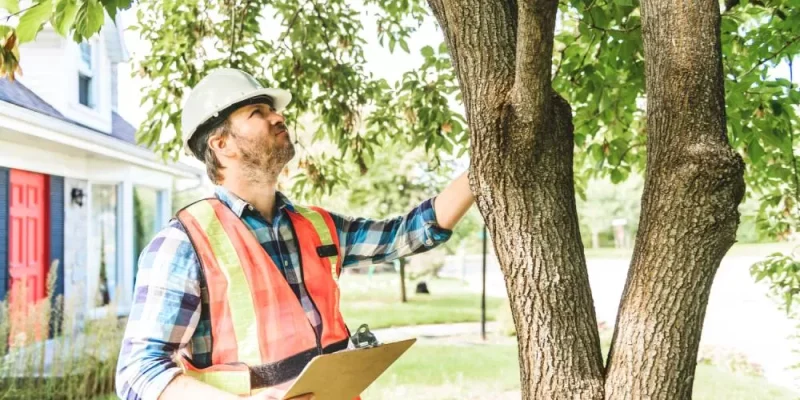
An arborist is a trained professional who specializes in the science of planting, maintaining, and caring for trees. Their expertise goes beyond what a property owner can determine visually. They use both practical experience and advanced diagnostic tools to evaluate tree structure, root systems, and overall vitality.
What Arborists Examine
-
Root Stability: Detecting problems like root rot or poor anchoring.
-
Branch Structure: Looking for weak junctions or overextended limbs.
-
Pest Activity: Identifying harmful insects before they spread.
-
Signs of Disease: Catching fungal infections, cankers, or nutrient deficiencies.
Tools and Techniques Used in Tree Assessments
Modern tree care relies on more than observation. Arborists employ a combination of hands-on and technology-based methods to deliver accurate insights.
-
Resistograph Testing: Measures internal decay or cavities within the trunk.
-
Soil Testing: Determines whether roots are receiving adequate nutrients and drainage.
-
Aerial Inspection: Drone technology or climbing techniques allow close-up observation of the canopy.
-
Risk Evaluation Systems: Used to rate trees on their likelihood of failure in storms or high winds.
These advanced methods ensure no detail is missed, which helps property owners make informed decisions about pruning, treatment, or removal.
Common Issues Found During Assessments
Even seemingly healthy trees may hide problems that could pose risks. Some of the most frequent discoveries include:
-
Fungal Growth: A sign of internal decay.
-
Cracks in the Trunk: Indicating structural weakness.
-
Overcrowding of Branches: Which increases wind resistance and breakage risk.
-
Root Damage: Often caused by construction or soil compaction.
Catching these issues early allows arborists to recommend practical solutions that save trees instead of removing them.
Preventive Care Based on Assessments
The goal of an arborist assessment is not just to identify problems but also to create a preventive care plan. Depending on the findings, your arborist may suggest:
-
Pruning to remove hazardous limbs and improve airflow.
-
Fertilization to strengthen roots and foliage.
-
Cabling and Bracing to provide structural support to large or historic trees.
-
Soil Aeration to improve water absorption and reduce root stress.
Each recommendation is tailored to the specific needs of your trees and property environment.
The Environmental Benefits of Tree Assessments
Regular evaluations do more than protect individual properties. They contribute to broader environmental goals. By preserving healthy trees, communities maintain better air quality, improved stormwater absorption, and cooler urban temperatures. This eco-conscious approach aligns perfectly with the mission of professional tree care providers who aim to balance property safety with sustainability.
When to Schedule a Tree Assessment
Timing matters when it comes to professional evaluations. Some ideal occasions to schedule an assessment include:
-
After Severe Weather: High winds or heavy snowfall may compromise tree stability.
-
Before Major Construction: Excavation and building projects often disturb root systems.
-
Seasonal Check-Ups: Spring and fall are the best times to review tree health.
-
When Visible Changes Occur: Such as sudden leaf loss, discoloration, or leaning.
Routine assessments every few years are also recommended, even without visible concerns, to ensure long-term tree health.
The Cost-Saving Value of Early Detection
While some property owners delay tree assessments due to cost concerns, the truth is that proactive evaluations often save money. Identifying an issue early prevents expensive removals, property damage repairs, or medical expenses from accidents caused by falling limbs. In many cases, simple treatments are far less expensive than emergency interventions.
Building a Safer, Greener Property
By investing in professional assessments, you are not only protecting your own property but also contributing to the well-being of your community. Trees are living assets, and their care directly impacts future generations. With eco-conscious professionals guiding your decisions, you can feel confident that your landscape will thrive for years to come.
FAQs About Arborist Tree Assessments
How often should I get a professional tree assessment?
Every 2–3 years is recommended for routine checkups, though high-risk properties with large or aging trees may benefit from annual inspections.
Can an arborist save a tree that looks unhealthy?
Yes, in many cases. Through pruning, soil treatments, or pest management, arborists often restore vitality to trees that homeowners assumed were dying.
What should I do if my tree is leaning after a storm?
Contact a certified arborist immediately. A leaning tree could indicate root damage or instability, which poses a serious safety hazard.
Do tree assessments include soil evaluation?
Many arborists perform soil testing as part of a comprehensive assessment. Healthy soil is critical to overall tree stability and growth.
Why shouldn’t I just inspect my trees myself?
While homeowners can spot obvious issues, arborists are trained to identify subtle risks and use specialized equipment that ensures accurate diagnosis.