 By Othon Jarle
Color has a powerful influence on how people experience a kitchen. It affects appetite, comfort, energy levels, and even how long people enjoy spending time preparing meals. The right color palette can make a kitchen feel inviting in the morning, relaxing in the evening, and lively during gatherings.
Modern kitchen design trends increasingly rely on color psychology combined with practical layout decisions. Homeowners are choosing tones that create warmth, support social interaction, and encourage healthier eating habits. If you are planning a renovation or simply updating cabinetry or walls, selecting the right color scheme can transform both mood and functionality.
Below are kitchen color combinations that enhance appetite, improve emotional comfort, and create a welcoming environment for daily living.
Why Kitchen Color Influences Appetite and Mood
Color affects perception in subtle but meaningful ways. Certain tones stimulate energy and hunger, while others encourage calmness and focus.
Warm colors such as red, orange, and yellow are known to:
- Encourage appetite
- Promote conversation
- Increase warmth perception
- Create a lively atmosphere
Cool tones like green and blue tend to:
- Reduce stress
- Support concentration
- Create freshness
- Improve visual comfort
The most effective kitchen color schemes balance warmth with calm tones so the space remains both energizing and relaxing.
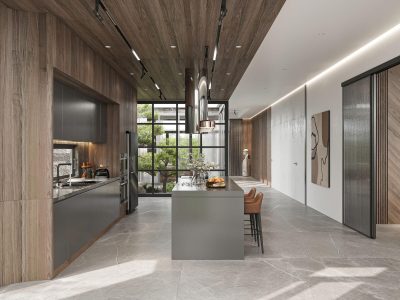
Warm White and Natural Wood for Comfort and Balance
One of the most reliable kitchen palettes combines warm white cabinetry with natural wood accents. This approach creates a welcoming environment without overwhelming the space.
Benefits of this scheme include:
- Increased brightness without harsh contrast
- A timeless appearance
- Compatibility with multiple countertop materials
- Easy coordination with appliances
Wood tones add depth and authenticity, while warm white surfaces reflect light and make kitchens feel larger.
Best pairings include:
- Oak flooring with cream cabinets
- Walnut shelving with white tile backsplashes
- Maple islands with soft beige walls
This palette supports both appetite and emotional comfort.
Soft Yellow Kitchens That Encourage Positivity
Yellow is one of the most effective appetite-stimulating colors when used correctly. It creates a cheerful atmosphere that supports social interaction and morning energy.
Soft yellow works particularly well because it avoids visual fatigue while still offering warmth.
Effective yellow combinations include:
- Butter yellow cabinets with white countertops
- Pale yellow walls with wood flooring
- Yellow backsplashes with neutral cabinetry
These combinations brighten the kitchen without overwhelming the senses.
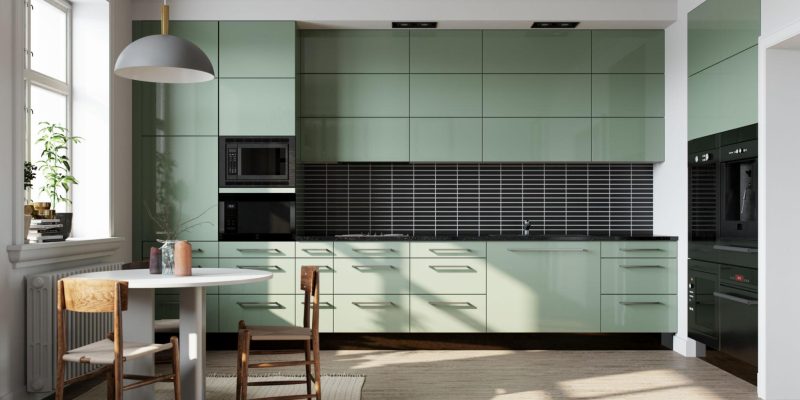
Earthy Green Tones That Promote Freshness
Green is strongly associated with nature and healthy food. It creates a calm environment while subtly encouraging balanced eating habits.
Popular green kitchen tones include:
- Sage green cabinetry
- Olive green islands
- Moss-toned accent walls
Green pairs beautifully with:
- Brass hardware
- Natural stone countertops
- Light wood finishes
- White subway tile
This palette works especially well in kitchens that receive natural daylight.
Terracotta and Clay Shades for Warmth and Appetite Stimulation
Terracotta and clay tones have become increasingly popular in modern kitchen design. These earthy shades create warmth while maintaining a grounded appearance.
Benefits include:
- Increased visual comfort
- Strong appetite stimulation
- Natural compatibility with wood finishes
- A welcoming atmosphere during evening meals
Terracotta works well as:
- An island color
- A backsplash feature wall
- Lower cabinet accents
Pairing clay tones with cream or beige walls keeps the kitchen balanced.
Soft Blue Accents That Improve Emotional Comfort
Blue is not traditionally associated with appetite stimulation, but it can improve mood and reduce stress when used carefully in kitchens.
Muted blue tones are particularly effective.
Recommended uses include:
- Blue lower cabinets with white upper cabinets
- Dusty blue islands
- Blue tile backsplashes
These elements add calmness without reducing warmth when paired with wood textures.
Two-Tone Cabinet Color Schemes for Visual Interest
Two-tone cabinetry adds dimension while improving the emotional tone of the kitchen.
Popular combinations include:
- White upper cabinets with navy lower cabinets
- Sage green lowers with cream uppers
- Natural wood islands with painted perimeter cabinets
Two-tone layouts prevent visual monotony and create subtle contrast that keeps kitchens engaging.
Warm Beige and Taupe for Relaxed Dining Environments
Neutral kitchens remain popular because they create a calm and flexible design foundation.
Warm beige and taupe tones:
- Support long-term style appeal
- Work with multiple countertop materials
- Create a soft background for accent decor
- Improve lighting reflection
These tones are particularly effective in open-concept kitchens connected to living areas.
Deep Red Accents That Naturally Encourage Appetite
Red has long been associated with appetite stimulation. When used carefully, it adds energy and warmth to kitchen interiors.
Rather than painting entire walls red, consider using it in smaller areas such as:
- Accent shelving
- Kitchen islands
- Bar stool upholstery
- Decorative tile backsplashes
These touches create energy without overwhelming the space.
Cream and Brass Combinations for Warm Elegance
Cream-colored cabinetry paired with brass finishes creates a refined yet welcoming kitchen atmosphere.
This palette works well because:
- Cream softens bright lighting
- Brass adds warmth and depth
- The combination feels timeless rather than trendy
Suggested applications include:
- Cream shaker cabinets
- Brass cabinet handles
- Cream tile backsplashes
- Brass pendant lighting
Together these elements create a kitchen that feels comfortable and polished.
Charcoal and Wood for Balanced Modern Contrast
Dark colors can improve kitchen mood when balanced correctly.
Charcoal cabinetry paired with warm wood surfaces creates contrast while maintaining visual warmth.
This combination works well because:
- Dark tones anchor the room
- Wood softens the overall appearance
- Contrast increases perceived depth
- Lighting reflections become more dramatic
Adding white countertops keeps the palette from feeling too heavy.
Peach and Soft Coral for Gentle Energy
Peach and coral tones introduce warmth without the intensity of red or orange.
These colors:
- Encourage appetite
- Support conversation
- Reflect natural light softly
- Add personality without overwhelming the space
Soft coral works especially well in backsplashes or accent walls.
Natural Stone Color Schemes That Support Organic Design
Stone surfaces influence kitchen mood just as much as cabinetry color.
Popular stone tones include:
- Warm marble veining
- Sand-colored quartz
- Soapstone countertops
- Travertine backsplashes
Stone introduces subtle variation that keeps kitchens visually interesting without relying on bold paint colors.
Matte Finishes That Improve Visual Comfort
Finish selection matters as much as color choice. Matte finishes reduce glare and create a softer appearance throughout the kitchen.
Matte surfaces:
- Improve lighting balance
- Reduce visual fatigue
- Highlight texture rather than shine
- Support modern kitchen aesthetics
Pairing matte cabinets with natural wood elements enhances the overall mood of the space.
How Lighting Influences Kitchen Color Performance
Lighting changes how colors appear throughout the day. Natural daylight enhances greens and neutrals, while warm artificial lighting improves reds and earth tones.
To maximize color effectiveness:
- Use layered lighting
- Install under-cabinet lighting
- Choose warm white bulbs
- Avoid overly cool lighting temperatures
Proper lighting ensures chosen colors support both appetite and emotional comfort.
Coordinating Flooring With Kitchen Color Schemes
Flooring anchors the color palette and influences the overall atmosphere.
Popular flooring pairings include:
- Light oak with sage cabinets
- Walnut flooring with cream cabinetry
- Neutral tile with blue accents
- Sand-colored flooring with terracotta islands
Balanced flooring ensures color transitions feel intentional rather than disconnected.
FAQs About Kitchen Color Schemes That Boost Appetite and Mood
Which kitchen color most strongly stimulates appetite
Warm tones such as red, terracotta, and soft yellow are widely known for encouraging appetite and increasing energy during meals.
Are dark kitchen cabinets bad for mood
Not when paired with warm lighting and natural materials. Dark cabinets can create a cozy and sophisticated atmosphere.
Should small kitchens use lighter colors
Yes. Light colors reflect more light and help smaller kitchens feel larger and more open.
Do kitchen colors affect how often people cook at home
Comfortable and welcoming kitchens encourage people to spend more time preparing meals and gathering with family.
Is it better to paint walls or cabinets when updating kitchen color
Painting cabinets creates a stronger visual transformation, while wall color updates provide quicker and more flexible changes.
Can bold kitchen colors reduce resale value
Extremely bold palettes may limit buyer appeal, but balanced accent colors combined with neutral cabinetry usually remain attractive to future buyers.
How often should kitchen color schemes be updated
Most kitchen color palettes remain visually appealing for many years when built around warm neutrals and natural materials rather than trend-driven shades.