 By Othon Jarle
Open kitchen layouts have become one of the most desirable features in modern homes across the United States. By removing walls that traditionally separated kitchens from dining and living areas, homeowners create spaces that feel brighter, more social, and more functional for everyday life. An open kitchen layout supports interaction, improves visibility, and enhances the overall flow of a home.
Whether you are planning a renovation or designing a new home, understanding the benefits and best design strategies for open kitchens can help you create a layout that looks attractive and performs efficiently for years to come.
What Is an Open Kitchen Layout
An open kitchen layout removes physical barriers between the kitchen and nearby living spaces. Instead of enclosed cooking zones, the kitchen becomes part of a connected environment that often includes the dining room and living room.
Typical characteristics include:
- A shared visual connection between kitchen and living areas
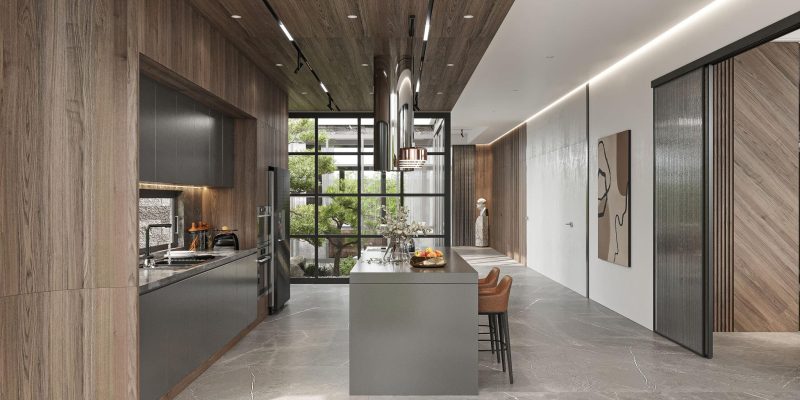
- A central kitchen island used for seating and preparation
- Consistent flooring across multiple spaces
- Coordinated lighting and cabinetry styles
- Clear sightlines throughout the main living zone
This design approach creates a unified interior that supports both daily routines and social gatherings.
Improved Natural Light Distribution
One of the most noticeable benefits of open kitchen layouts is the improvement in natural lighting.
When walls are removed:
- Daylight travels farther into the home
- Dark corners are reduced
- Artificial lighting needs decrease during the day
- The entire space appears larger and more inviting
Homes with limited window exposure benefit especially from this layout because light from living room windows can reach the kitchen area more effectively.
Better Social Interaction While Cooking
Traditional kitchens often isolate the person preparing meals from family members or guests. Open layouts eliminate this separation.
Benefits include:
- Easier conversation while cooking
- Greater supervision of children
- Improved interaction during gatherings
- A more relaxed atmosphere for entertaining
This makes open kitchens especially appealing for households that value shared experiences around food preparation.
Increased Visual Space Without Expanding Square Footage
Even without increasing the physical size of a home, open layouts create the impression of more space.
This effect happens because:
- Sightlines extend farther
- Furniture placement feels more flexible
- Light reflects across wider surfaces
- Fewer barriers interrupt movement
As a result, open kitchens are especially useful in smaller homes and urban residences.
Greater Flexibility in Furniture Arrangement
Open kitchens allow homeowners to adjust layouts more easily as needs change.
Flexible arrangement benefits include:
- Space for movable dining tables
- Options for additional seating near islands
- Adaptable living room layouts
- Multi-use zones for work or study
This flexibility helps households adapt to changing lifestyles without requiring major renovations.
Stronger Connection Between Cooking and Dining Areas
Open kitchens create a seamless transition between food preparation and serving.
Advantages include:
- Shorter distances between work areas and dining tables
- Easier meal presentation during gatherings
- Reduced interruptions when hosting guests
- Improved workflow efficiency
This connection supports both casual meals and formal entertaining.
Increased Home Value and Buyer Appeal
Open kitchen layouts remain one of the most requested features among homebuyers.
Reasons for their popularity include:
- Modern appearance
- Improved lighting
- Enhanced entertainment capability
- Better family interaction spaces
Because of this demand, homes with open kitchens often attract more attention during resale.
Better Traffic Flow Throughout the Home
Walls can restrict movement and create narrow pathways. Removing them improves circulation between spaces.
Improved traffic flow allows:
- Easier movement during gatherings
- Safer kitchen navigation
- Clearer transitions between functional zones
- More comfortable everyday living
This benefit becomes especially noticeable during holidays or large family events.
Kitchen Islands Become Functional Centerpieces
Kitchen islands play a central role in open layouts. They often serve multiple purposes beyond food preparation.
Common island uses include:
- Casual dining
- Homework stations
- Social gathering points
- Extra storage
- Appliance placement
A well-designed island helps anchor the entire open living area.
Design Tip: Maintain Visual Consistency Across Spaces
Consistency is essential in open layouts because multiple rooms are visible at once.
To maintain harmony:
- Use matching flooring materials
- Coordinate cabinet finishes with nearby furniture
- Select complementary wall colors
- Choose lighting fixtures that share similar styles
This approach creates a unified environment rather than disconnected zones.
Design Tip: Define Zones Without Using Walls
Even though open kitchens remove barriers, defining separate functional areas remains important.
Effective zoning techniques include:
- Area rugs under seating groups
- Pendant lighting above islands
- Ceiling beam accents
- Changes in countertop height
- Strategic furniture placement
These elements organize the space without reducing openness.
Design Tip: Choose Durable Materials for High-Visibility Areas
Because open kitchens are constantly visible from nearby living spaces, material quality becomes especially important.
Recommended materials include:
- Quartz countertops for durability
- Hardwood or luxury vinyl plank flooring
- Scratch-resistant cabinet finishes
- Easy-to-clean backsplashes
Durable materials help maintain a polished appearance over time.
Design Tip: Use Storage Solutions to Reduce Visual Clutter
Clutter becomes more noticeable in open layouts because everything is visible from multiple angles.
Helpful storage strategies include:
- Deep drawers for cookware
- Pull-out pantry shelves
- Built-in appliance garages
- Hidden trash compartments
Keeping surfaces organized preserves the clean look that open kitchens are known for.
Design Tip: Install Layered Lighting for Flexibility
Lighting plays a critical role in open kitchen performance.
A layered approach typically includes:
- Ambient ceiling lighting
- Task lighting under cabinets
- Accent lighting above islands
- Decorative pendant fixtures
This combination supports both functionality and atmosphere throughout the day.
Design Tip: Manage Cooking Odors with Proper Ventilation
Since open kitchens connect directly to living spaces, ventilation becomes more important than ever.
Effective solutions include:
- High-quality range hoods
- Quiet ventilation systems
- Strategic window placement
- Air circulation improvements
Proper ventilation keeps nearby areas comfortable during meal preparation.
Design Tip: Select Appliances That Complement the Overall Design
Appliances are more visible in open kitchens, so their appearance should match the surrounding style.
Popular appliance choices include:
- Stainless steel finishes
- Panel-ready refrigerators
- Minimalist cooktops
- Integrated dishwashers
Coordinated appliances help maintain visual consistency across the space.
Design Tip: Include Seating That Encourages Interaction
Seating plays a major role in the success of open kitchen layouts.
Consider adding:
- Bar stools along the island
- Bench seating near dining zones
- Flexible chairs that move easily between areas
- Compact stools for smaller layouts
Comfortable seating encourages conversation and connection.
Design Tip: Balance Openness With Acoustic Comfort
Removing walls can increase noise levels in shared living areas.
To improve acoustic comfort:
- Use upholstered furniture
- Add fabric window treatments
- Install rugs in seating areas
- Choose textured wall finishes
These features help soften sound while maintaining openness.
Design Tip: Plan Electrical Access for Modern Living Needs
Open kitchens support many daily activities beyond cooking.
Consider including:
- Charging stations near islands
- Extra outlets along walls
- Under-counter appliance connections
- USB-integrated receptacles
Planning electrical access early improves long-term usability.
FAQs About Open Kitchen Layout Benefits and Design Tips
Are open kitchen layouts suitable for small homes
Yes. Open layouts often make small homes feel larger by improving light flow and reducing visual barriers between rooms.
Do open kitchens require more frequent cleaning
Because they remain visible from living areas, maintaining a tidy appearance becomes more important, but good storage design helps manage this easily.
Can open kitchens work in traditional-style homes
Yes. Open layouts can be adapted with classic cabinetry, warm materials, and decorative trim to match traditional architecture.
Is removing a wall always possible during renovation
Not always. Some walls are load-bearing and require structural planning before removal, which should be evaluated by professionals.
Do open kitchen layouts increase noise levels in homes
They can, but thoughtful use of soft materials and acoustic treatments helps reduce sound transfer between spaces.
How large should a kitchen island be in an open layout
Island size depends on available space, but maintaining comfortable walking clearance around all sides is essential for usability.
Are open kitchens still popular in new home construction
Yes. Open kitchen layouts remain one of the most requested features in modern residential design because they support social interaction and flexible living spaces.